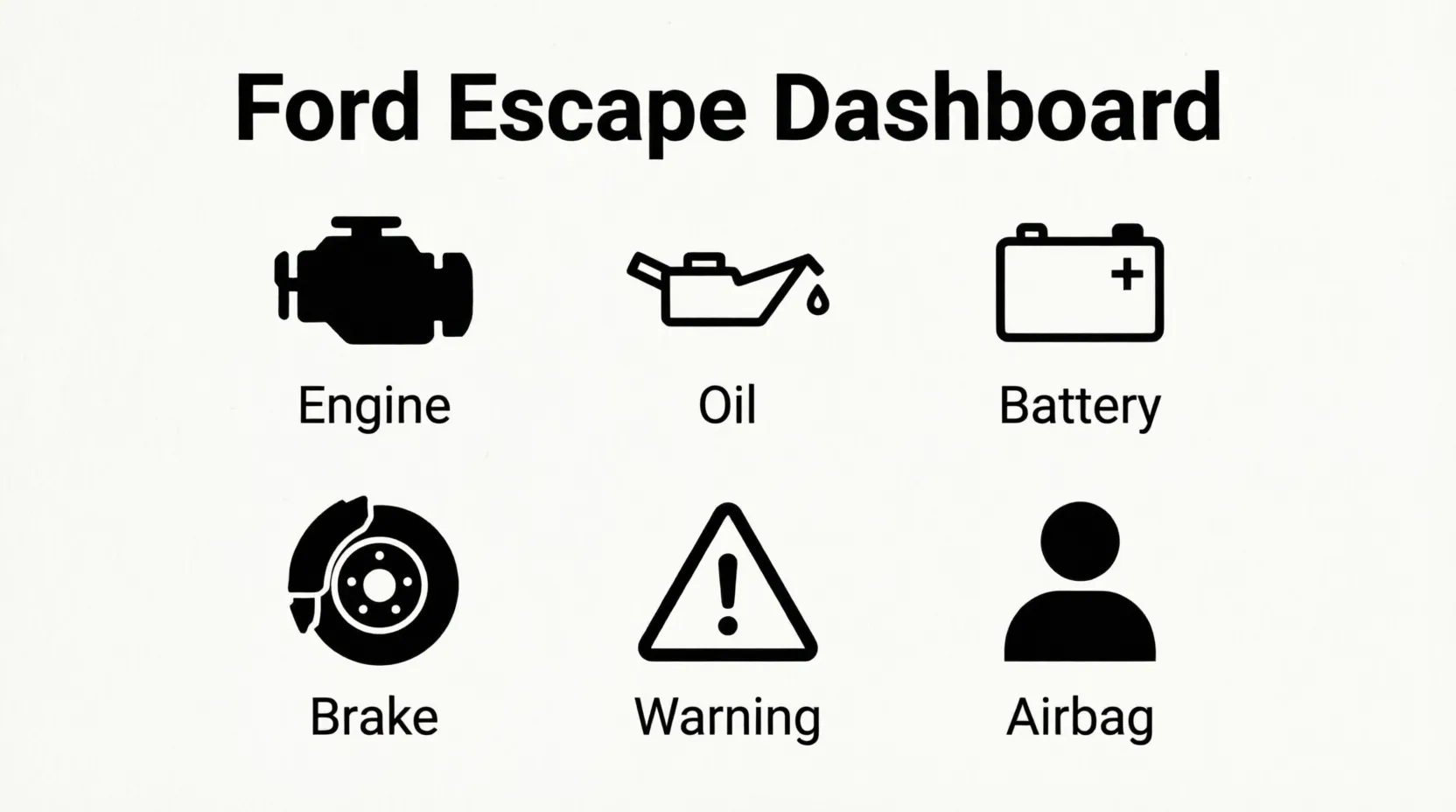
Have you ever noticed a warning light on your SUV’s dashboard and wondered whether it signals a minor reminder or a serious problem?
Understanding Ford Escape Dashboard Symbols and Meanings can help you respond with confidence, protect your vehicle, and avoid unnecessary repair costs.
From engine and brake warnings to tire pressure, battery, and driver-assistance indicators, each symbol is designed to communicate important information about your Ford Escape’s condition.
In this guide, you’ll discover what the most common dashboard lights mean, which ones require immediate attention, and what steps you should take next.
By the end, you’ll be better prepared to recognize these symbols and keep your vehicle running safely and efficiently.
Quick Answer: What Symbol Represents Ford Escape Dashboard Warnings?
The check engine light is the most recognized and important Ford Escape dashboard symbol. It alerts you that the vehicle’s engine or emissions system has detected a problem. However, other symbols such as the oil pressure light, battery warning, brake warning, and tire pressure indicator are equally important because they warn you about specific systems that may require immediate attention.
What Are Ford Escape Dashboard Symbols and Meanings?
Ford Escape dashboard symbols and meanings refer to the warning lights, indicators, and information icons displayed on your instrument cluster. These symbols help you understand the condition of your vehicle while driving.
Some lights simply provide information, like headlights being on or cruise control being active. Others warn you about maintenance needs or mechanical problems that could affect your safety.
The exact appearance of some dashboard symbols may vary slightly depending on your Ford Escape model year and trim level, but their purpose remains largely the same.
Generally, dashboard symbols fall into three categories:
- Green or Blue: Information or active features
- Yellow or Amber: Warning or service needed soon
- Red: Serious issue requiring immediate attention
Understanding these symbols can help prevent expensive repairs and improve your driving safety.
Ford Escape Dashboard Symbols and Meanings Comparison Table
| Symbol | Main Meaning | Best Use |
| Check Engine | Engine or emissions issue | Schedule diagnosis |
| Oil Pressure | Low engine oil pressure | Stop engine immediately |
| Battery Warning | Charging system fault | Check battery and alternator |
| Brake Warning | Brake system problem | Inspect brakes immediately |
| Tire Pressure (TPMS) | Low tire pressure | Inflate tires |
| ABS Warning | Anti-lock brake fault | Drive carefully and inspect |
| Airbag Warning | Airbag system issue | Professional inspection |
| Coolant Temperature | Engine overheating | Stop safely and cool engine |
| Seat Belt Reminder | Seat belt not fastened | Fasten seat belt |
| Traction Control | Stability system active/fault | Improve driving safety |
| Fuel Warning | Low fuel level | Refuel soon |
| Cruise Control | Cruise control active | Highway driving |
Top Ford Escape Dashboard Symbols and Meanings
1. Check Engine Light: Engine System Warning
The check engine light is one of the most common dashboard warnings. It can indicate anything from a loose gas cap to a more serious engine or emissions problem.
If the light stays on steadily, your vehicle usually remains drivable, but it should be inspected soon. If it flashes, it often signals an engine misfire that could damage the catalytic converter.
Modern Ford Escapes use onboard diagnostics to detect these problems before they become severe.
Best for: Engine diagnostics, maintenance reminders, emissions problems, repair planning, preventive maintenance.
2. Oil Pressure Warning Light: Protecting Your Engine
This red oil symbol warns that your engine has dangerously low oil pressure.
Low oil pressure may result from insufficient engine oil, a failing oil pump, or internal engine wear. Continuing to drive can cause severe engine damage within minutes.
Safely pull over, switch off the engine, and check the oil level before driving further.
Best for: Preventing engine damage, oil maintenance, emergency warnings, engine protection.
3. Battery Warning Light: Charging System Alert
The battery icon doesn’t always mean your battery is bad. Instead, it usually indicates a charging system problem involving the alternator, battery, or related wiring.
If ignored, your battery may eventually lose power, leaving your vehicle unable to start.
Have the charging system tested as soon as possible.
Best for: Battery health, alternator diagnosis, electrical system maintenance, roadside prevention.
4. Brake Warning Light: Brake Safety System
The brake warning light deserves immediate attention because it relates directly to your ability to stop safely.
It may indicate:
- Low brake fluid
- Parking brake engaged
- Brake system malfunction
Never ignore a red brake warning, especially if braking performance changes.
Best for: Brake inspections, driving safety, emergency maintenance, preventing accidents.
5. Tire Pressure Monitoring System (TPMS)
The horseshoe-shaped symbol with an exclamation mark indicates one or more tires have low air pressure.
Proper tire pressure improves:
- Fuel economy
- Tire lifespan
- Steering control
- Braking performance
Cold weather often causes this warning to appear because tire pressure naturally decreases as temperatures drop.
Best for: Tire maintenance, fuel savings, safer driving, longer tire life.
6. ABS Warning Light: Anti-Lock Brake System
The ABS light means the anti-lock braking system has detected a fault.
Your regular brakes usually continue working, but emergency braking performance may be reduced on slippery roads.
Professional diagnosis is recommended to restore full braking capability.
Best for: Brake safety, winter driving, traction management, system diagnostics.
7. Airbag Warning Light: Supplemental Restraint System
An illuminated airbag symbol means the Supplemental Restraint System (SRS) requires attention.
The airbags may not deploy correctly during a collision if this warning remains active.
Although your vehicle can usually still be driven, schedule service promptly for maximum occupant protection.
Best for: Passenger safety, collision protection, system inspection, family driving.
8. Engine Coolant Temperature Warning
This thermometer symbol indicates your engine is overheating.
Common causes include:
- Low coolant
- Cooling fan failure
- Radiator leaks
- Water pump problems
Driving an overheated engine can cause costly damage, including a blown head gasket.
Stop safely, allow the engine to cool, and never remove the radiator cap while the engine is hot.
Best for: Preventing overheating, cooling system maintenance, engine protection.
9. Seat Belt Reminder
This familiar icon reminds the driver or passengers to fasten their seat belts.
Most modern Ford Escape models use sensors to determine which seats are occupied and issue reminders accordingly.
Although simple, this warning supports one of the most effective safety features in any vehicle.
Best for: Driver safety, passenger protection, family travel, daily commuting.
10. Traction Control Light
The traction control symbol usually flashes when the system actively improves grip on slippery roads.
If it remains illuminated continuously, the system may have been switched off or detected a malfunction.
Traction control helps maintain stability during rain, snow, or loose gravel conditions.
Best for: Wet roads, snow driving, vehicle stability, safer cornering.
11. Low Fuel Warning Light
The fuel pump icon appears when the fuel level becomes low.
Most Ford Escape models still have enough fuel for several miles after the light comes on, but it’s wise to refuel soon to avoid running the tank nearly empty.
Frequently driving with very low fuel can reduce fuel pump lifespan.
Best for: Trip planning, fuel management, avoiding breakdowns, daily driving.
12. Cruise Control Indicator
This green symbol confirms that cruise control is currently active.
Unlike warning lights, this indicator simply informs you that the vehicle is maintaining a selected speed.
Always stay alert and keep your hands on the steering wheel while using cruise control.
Best for: Highway driving, long-distance travel, reducing driver fatigue, fuel efficiency.
Best Ford Escape Dashboard Symbols for Driver Awareness
Dashboard symbols are not suitable as tattoos or decorative designs because they are functional safety icons. Instead, the most important symbols every Ford Escape owner should recognize are:
- Check Engine Light
- Oil Pressure Warning
- Brake Warning
- Tire Pressure Indicator
- Battery Warning
- Coolant Temperature Warning
Learning these symbols can help you react quickly and avoid costly repairs.
Best Ford Escape Dashboard Symbols for Manuals, Apps, and Design
Dashboard symbols work best when they remain simple, clear, and instantly recognizable.
Designers creating maintenance guides, mobile apps, repair websites, or instructional posters often use standardized dashboard icons because they communicate information quickly without relying on long text.
The most recognizable icons include:
- Engine symbol
- Battery icon
- Oil can
- Tire pressure symbol
- Brake warning
- ABS icon
Simple designs improve readability across screens and printed materials.
Why Dashboard Symbols Matter for Safety and Peace of Mind
Understanding dashboard symbols isn’t just about avoiding repairs. It also helps protect you, your passengers, and your investment.
Knowing when to stop driving, when to schedule maintenance, and when a warning is simply informational gives you greater confidence behind the wheel.
Many expensive repairs begin with a small warning light that drivers overlook. Paying attention early often saves both time and money.
Before Ignoring Any Dashboard Warning
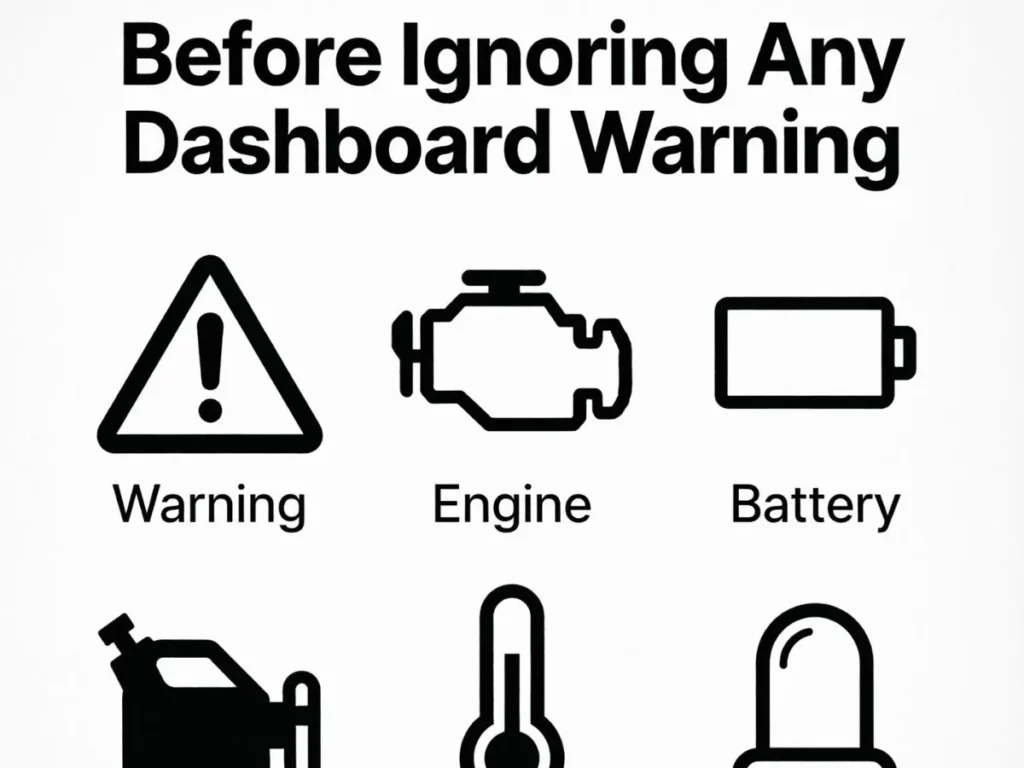
While many dashboard indicators simply remind you about maintenance, others warn of problems that could affect vehicle safety.
Keep these points in mind:
- Always check your owner’s manual for your specific Ford Escape model.
- Warning lights can vary slightly by model year.
- Never ignore flashing red warnings.
- Yellow warnings should still be inspected promptly.
- If multiple warning lights appear together, professional diagnosis is recommended.
Proper understanding prevents unnecessary risks and helps keep your vehicle reliable.
How to Choose the Right Response to a Dashboard Symbol
When a dashboard light appears, avoid guessing.
Instead:
- Notice the symbol color.
- Check whether the light is flashing or steady.
- Read the owner’s manual.
- Listen for unusual noises.
- Watch for changes in vehicle performance.
- Schedule service if the warning remains.
Quick action often prevents minor issues from becoming expensive repairs.
FAQs
What is the most important Ford Escape dashboard warning light?
The oil pressure, brake warning, coolant temperature, and flashing check engine lights are among the most serious. These warnings can indicate problems that require immediate attention to avoid safety risks or major engine damage.
What does the yellow check engine light mean?
A steady yellow check engine light usually indicates an engine or emissions issue that should be diagnosed soon. Your vehicle may still drive normally, but delaying repairs could make the problem worse over time.
What is a good way to learn Ford Escape dashboard symbols?
The best resources are your Ford owner’s manual and trusted maintenance guides. Becoming familiar with common warning lights before they appear makes it easier to respond calmly while driving.
Why is my tire pressure warning light on after filling the tires?
The TPMS may require a short drive before updating. If the light remains on, check that all tires including the spare if applicable are properly inflated and inspect for slow leaks.
What does a flashing check engine light mean?
A flashing check engine light often indicates a serious engine misfire. Continuing to drive could damage the catalytic converter, so you should reduce speed and have the vehicle inspected immediately.
Can I drive with the battery warning light on?
You may be able to drive briefly, but the charging system could fail at any time. Once the battery loses power completely, the engine may stall or fail to restart.
Which dashboard symbols require stopping immediately?
Red warnings such as low oil pressure, engine overheating, or brake system failure generally require you to stop safely as soon as possible to prevent severe damage or unsafe driving conditions.
Why do dashboard symbols differ between model years?
Ford occasionally updates dashboard displays, adds new safety technologies, and changes instrument clusters. While some icons may look slightly different, their meanings remain largely consistent across most Ford Escape models.
Final Thoughts
Understanding ford escape dashboard symbols and meanings makes driving safer and less stressful.
Whether it’s a simple seat belt reminder or a critical oil pressure warning, every dashboard light provides useful information about your vehicle’s condition.
By recognizing these symbols early and responding appropriately, you can reduce repair costs, improve safety, and enjoy greater confidence every time you drive your Ford Escape.
Discover More Post
- What Different Car Light Symbols Explained Can Tell You?
- Dashboard Car Symbols Explained: What Do They Mean?
- The Truth About Nissan Altima Dashboard Symbols and Meanings

Ethan Caldwell is an experienced American author at BlogShubb. He specializes in technology, online platforms, and digital trends. His well-researched articles make complex topics easy to understand and provide readers with clear, practical, and reliable information.
 Dylan Prescott